
You already know the moment. A customer wants something different than what you agreed on. Now you need a number, and you need it to be right, not guessed.
Here's the actual process, broken into steps you can run through in your head or on paper.
Step 1: Write down exactly what changed. Not "the vanity thing," but specifically what's different from the original plan. This sounds obvious. It's also the step most people skip, and it's the one that causes arguments later.
Step 2: Add up the real material cost. Not what you think it roughly costs. What it actually costs, including the stuff people forget, extra fasteners, adhesive, the trip to go get it.
Step 3: Be honest about labor hours. This is where most contractors underprice. A "quick swap" rarely is. Factor in the time to stop what you're doing, the demo or removal of what's already there, the actual install, and cleanup. All of that is labor, even the parts that don't feel like "real work."
Step 4: Apply your markup, not just your cost. If you're only charging materials and labor at cost, you're not making money on the change, you're doing a favor. Your markup on a change should match what you'd normally charge, not less.
Step 5: Confirm it in writing before you do the work. A price agreed to after the work is done isn't a price, it's a negotiation you're likely to lose.
A quick example
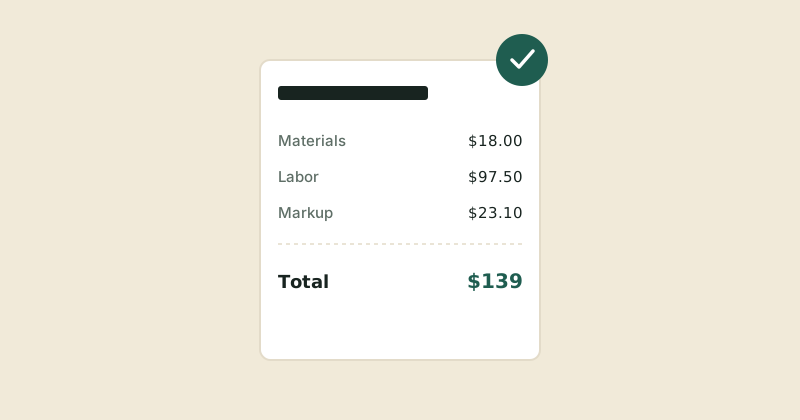
Customer wants an extra outlet added while the wall's already open.
Materials: $18
Labor: 1.5 hours at $65/hr = $97.50
Subtotal: $115.50
Markup at 20%: $23.10
Total to the customer: about $139
That's a real number you can defend, not a guess you're hoping covers your cost.